

In the realm of industrial automation, Handheld Human - Machine Interfaces (HMIs) play a crucial role in enabling operators to interact with machinery, systems, and processes. As a dedicated Handheld HMI supplier, we are constantly faced with the question: Does a Handheld HMI need to comply with specific safety standards?

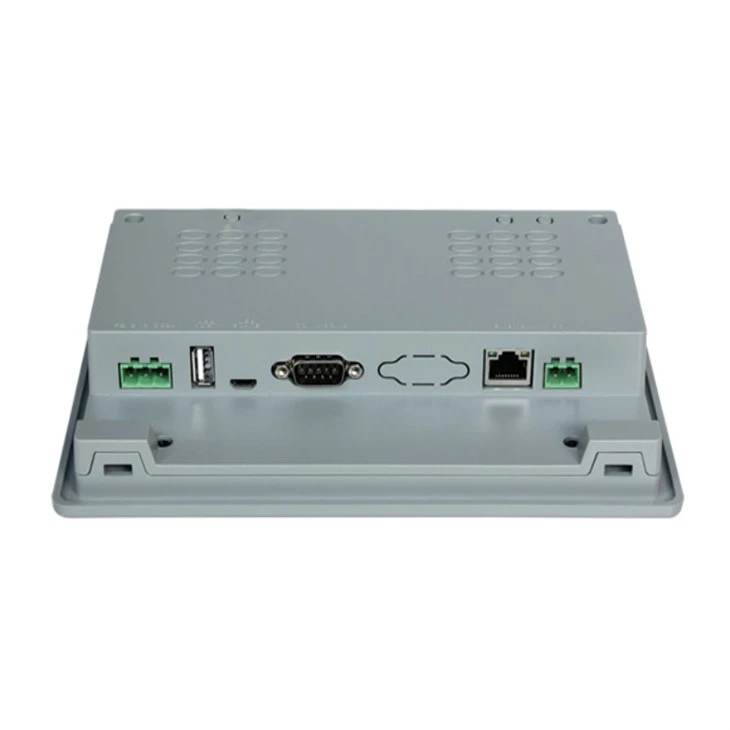
Importance of Safety Standards in Industrial Equipment
Safety standards in the industrial sector are not mere formalities; they are the backbone of a safe and efficient working environment. These standards are developed through extensive research and experience to prevent accidents, protect workers, and ensure the proper functioning of equipment.
In industries such as manufacturing, energy, and transportation, the consequences of a malfunctioning HMI can be severe. For example, in a chemical plant, an incorrect input or a sudden failure of the Handheld HMI could lead to the release of hazardous chemicals, causing harm to workers and the environment. Similarly, in a power generation facility, a miscommunication between the operator and the system due to a faulty HMI could result in power outages or even catastrophic failures.
Regulatory Requirements for Handheld HMIs
When it comes to Handheld HMIs, there are indeed specific safety standards that they must comply with. These standards vary depending on the region and the application of the HMI.
In the European Union, the Machinery Directive (2006/42/EC) sets out the essential health and safety requirements for machinery, including HMIs. The directive requires that all machinery placed on the EU market be designed and constructed to ensure a high level of safety for operators and other users. Handheld HMIs must meet the requirements related to electrical safety, mechanical safety, and ergonomics. For example, the HMI should be designed to prevent electric shocks, and its casing should be strong enough to withstand normal use and potential impacts.
In the United States, the Occupational Safety and Health Administration (OSHA) and the National Electrical Code (NEC) have regulations that apply to Handheld HMIs. OSHA standards aim to protect workers from workplace hazards, and the NEC provides guidelines for electrical installations, ensuring that HMIs are installed and used safely.
Technical Considerations for Safety Compliance
From a technical perspective, there are several aspects of Handheld HMIs that need to be carefully considered to ensure safety compliance.
Electrical Safety
Electrical safety is of utmost importance for Handheld HMIs. They should be designed with appropriate insulation to prevent electric shocks. The power supply should also be regulated to ensure stable operation and prevent overheating. Additionally, the HMI should have proper grounding to divert electrical faults safely.
Mechanical Safety
The mechanical design of the Handheld HMI should be robust. The casing should be made of durable materials that can withstand regular handling, drops, and impacts. The buttons and touchscreens should be designed in a way that they do not get accidentally activated, which could lead to improper operation of the connected machinery.
Ergonomics
Ergonomic design is also a key factor in safety compliance. A Handheld HMI that is comfortable to hold and easy to operate reduces the risk of operator fatigue and errors. The layout of the controls and the display should be intuitive, allowing operators to quickly and accurately input commands and read information.
Our Company's Approach to Safety Compliance as a Supplier
As a Handheld HMI supplier, we take safety compliance very seriously. We ensure that all our products are designed and manufactured in strict accordance with the relevant safety standards.
During the design phase, our engineering team conducts in - depth research on the latest safety requirements. We use advanced simulation tools to analyze the electrical and mechanical performance of the HMIs and make necessary adjustments to optimize safety.
Throughout the manufacturing process, we implement rigorous quality control measures. Each HMI undergoes a series of tests, including electrical safety tests, mechanical stress tests, and ergonomic evaluations. Only HMIs that pass all the tests are released to the market.
Applications and the Need for Safety Standards
Different applications of Handheld HMIs also have different safety requirements.
In the Solar Industry
Handheld HMIs in the solar industry are used for monitoring and controlling solar panels and inverters. Solar installations are often located in outdoor environments, which expose the HMIs to various weather conditions. Safety standards for these HMIs need to account for factors such as waterproofing, dust resistance, and UV protection. You can learn more about Solar HMI and their specific requirements.
Outdoor Industrial Applications
For outdoor touch - screen HMIs, they need to be designed to withstand extreme temperatures, sunlight glare, and physical impacts. Outdoor environments can be harsh, and non - compliant HMIs may malfunction, leading to production downtime or safety hazards. Check out our Outdoor Touch Screen solutions designed to meet these challenges.
Button - Integrated HMIs
In some industrial settings, button - integrated HMIs are preferred. These HMIs often need to meet specific safety standards related to the reliability of the buttons. The buttons should be durable and easy to press, even in high - vibration environments. You can find more information about Button - integrated HMI and their safety features.
Benefits of Complying with Safety Standards
Complying with safety standards offers multiple benefits for both us as a supplier and our customers.
For us, it enhances our reputation in the market. Customers are more likely to trust a supplier that adheres to strict safety standards. It also helps us avoid legal issues and potential product recalls, which can be costly and damage our brand image.
For our customers, safety - compliant Handheld HMIs provide a reliable and safe means of operating industrial equipment. They can reduce the risk of workplace accidents, improve productivity, and ensure the long - term operation of their machinery.
Encouraging Contact for Purchase and Negotiation
We understand that each industrial application has unique requirements when it comes to Handheld HMIs. Our team of experts is ready to provide customized solutions that meet your specific needs while ensuring full compliance with the relevant safety standards.
If you are in the process of evaluating Handheld HMI options for your business, we invite you to reach out to us. Whether it's a small - scale operation or a large - scale industrial project, we can offer professional advice and support. Let's start a conversation to find the best Handheld HMI solution for you.
References
- Machinery Directive (2006/42/EC) of the European Union
- Occupational Safety and Health Administration (OSHA) regulations in the United States
- National Electrical Code (NEC) in the United States