

In the dynamic landscape of industrial automation, Handheld Human - Machine Interfaces (HMIs) have emerged as a game - changer, offering a plethora of advantages that enhance operational efficiency, flexibility, and user experience. As a Handheld HMI supplier, I have witnessed firsthand how these devices are revolutionizing various industries. In this blog, I will delve into the numerous benefits of using a Handheld HMI.
Enhanced Mobility and Flexibility
One of the most significant advantages of Handheld HMIs is their mobility. Unlike traditional fixed HMIs, which are installed at a specific location, handheld devices allow operators to move freely around the industrial site. This mobility is crucial in large manufacturing plants, warehouses, or outdoor facilities where operators need to monitor and control processes from different locations.
For example, in a large automotive assembly plant, an operator can carry a Handheld HMI while inspecting different sections of the production line. They can quickly access real - time data, make adjustments to machine settings, and troubleshoot issues on the spot. This not only saves time but also increases productivity as operators can respond to problems immediately without having to return to a fixed control station.
The flexibility of Handheld HMIs also extends to their ease of use in different work environments. Whether it's a cleanroom environment in a semiconductor manufacturing facility or a harsh outdoor setting, these devices can be designed to withstand various conditions. Our Outdoor Touch Screen models are specifically engineered to operate in bright sunlight, extreme temperatures, and outdoor elements, ensuring reliable performance in challenging outdoor applications.
Real - Time Monitoring and Control
Handheld HMIs provide operators with instant access to real - time data from industrial processes. Through high - resolution displays, operators can view critical information such as temperature, pressure, flow rates, and machine status at a glance. This real - time monitoring capability enables operators to detect anomalies and take corrective actions promptly, preventing potential breakdowns and minimizing downtime.
For instance, in a chemical processing plant, an operator can use a Handheld HMI to monitor the temperature and pressure of reactors continuously. If the temperature exceeds the safe limit, the operator can immediately adjust the cooling system or shut down the process to avoid a dangerous situation. The ability to control industrial processes in real - time also allows for more precise and efficient operation, leading to improved product quality and reduced waste.
Improved User Experience
The user experience is a key factor in the success of any industrial device. Handheld HMIs are designed with user - friendly interfaces that are intuitive and easy to navigate. Touch - screen technology has made it possible to create interactive interfaces that mimic the functionality of smartphones and tablets, which are familiar to most users.
Our Handheld HMIs feature multi - touch gestures, such as pinch - to - zoom and swipe, which make it easy for operators to view detailed data and switch between different screens. The high - quality displays provide clear and sharp visuals, even in low - light conditions. Additionally, the ergonomic design of these devices ensures comfortable handling during long - term use, reducing operator fatigue and improving productivity.
Cost - Effectiveness
Implementing Handheld HMIs can be a cost - effective solution for industrial automation. Compared to installing multiple fixed HMIs at different locations, a single Handheld HMI can be used by multiple operators to access and control different processes. This reduces the overall hardware cost and the complexity of the control system.
Moreover, Handheld HMIs can help reduce maintenance costs. Since these devices are portable, they can be easily taken to a maintenance area for repair or calibration. In addition, the ability to remotely diagnose and troubleshoot problems using Handheld HMIs can save on travel time and expenses for maintenance personnel.
Integration with IoT and Industry 4.0
In the era of Industry 4.0, connectivity and data exchange are essential for industrial automation. Handheld HMIs can be integrated with the Internet of Things (IoT) and other industrial networks, allowing for seamless communication between different devices and systems.
Our IoT Gateway models enable Handheld HMIs to connect to cloud - based platforms, where data can be stored, analyzed, and shared. This integration with IoT technology provides valuable insights into industrial processes, enabling predictive maintenance, optimization of production schedules, and better decision - making.
For example, by collecting data from multiple sensors and machines, Handheld HMIs can send this information to a cloud - based analytics platform. The platform can then analyze the data to identify patterns and trends, predict potential equipment failures, and recommend preventive actions. This proactive approach to maintenance can significantly reduce unplanned downtime and increase the overall efficiency of the industrial operation.
Wide Temperature Range Operation
Industrial environments often have extreme temperature conditions. Our Wide Temperature HMI models are designed to operate in a wide temperature range, from extremely cold to extremely hot environments.
In cold storage facilities, where temperatures can drop below freezing, Handheld HMIs need to function reliably to monitor inventory levels, temperature, and humidity. On the other hand, in foundries and steel mills, where temperatures can reach several hundred degrees Celsius, these devices must be able to withstand the heat without compromising performance. Our Wide Temperature HMIs are built with advanced thermal management systems and high - quality components to ensure stable operation in such harsh temperature conditions.
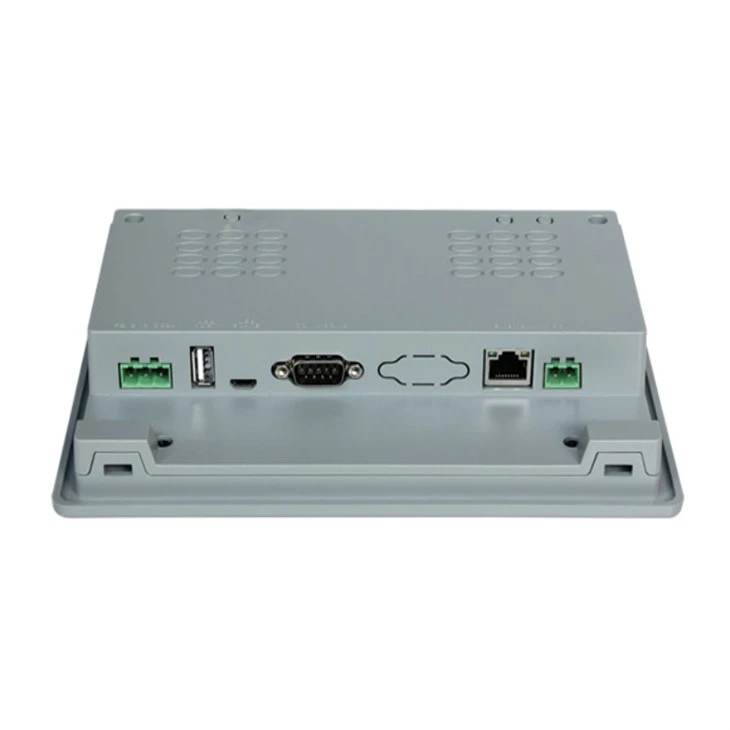

Training and Skill Development
Handheld HMIs are relatively easy to learn and use, which simplifies the training process for new operators. Since the interfaces are similar to consumer devices, operators with basic computer skills can quickly get up to speed with the functionality of Handheld HMIs.
This ease of use also encourages operators to take a more active role in the industrial process. They can experiment with different settings and control strategies, which can lead to continuous improvement in the operation. Additionally, the ability to access training materials and tutorials directly on the Handheld HMI further enhances the learning experience and skill development of operators.
Conclusion
In conclusion, the advantages of using a Handheld HMI are numerous and far - reaching. From enhanced mobility and real - time monitoring to improved user experience and integration with IoT technology, these devices offer a comprehensive solution for industrial automation. As a Handheld HMI supplier, we are committed to providing high - quality, reliable, and innovative products that meet the diverse needs of our customers.
If you are interested in exploring how our Handheld HMIs can benefit your industrial operations, we invite you to contact us for a detailed discussion. Our team of experts is ready to assist you in finding the right solution for your specific requirements and guide you through the procurement process.
References
- Industrial Automation Handbook: A comprehensive guide to industrial automation technologies and practices.
- Journal of Industrial Engineering: Articles on the latest trends and developments in industrial automation, including the use of Handheld HMIs.
- IoT in Industry Reports: Research reports on the integration of IoT technology in industrial applications and the role of Handheld HMIs in this context.